

Is it temporary unemployment or a looming thirtieth birthday that makes me reflect on my career? In either case, I want to share two things I wish I’d known about writing when I was twenty, things which might help young writers—that is if they’d listen (though admittedly I, at twenty, would not).
First, I wish I’d known how little I knew about grammar. Had I known how deficient my instruction had been, I might have chosen a career in education reform or at least recruited private help outside the classroom. Am I a fluke? The rallies and war cries of fellow writers suggest I’m not alone. The scraps I was taught, I was not taught to apply. Only now at the graduate level, bad habits cemented, has a teacher demonstrated to me how different grammatical constructions can alter and—if chosen correctly—enhance communication.
Second, I wish I’d truly known what it meant to choose The Writing Life. Sure I was told about the odds and challenges of publishing, but I didn’t understand the full implications of such warnings. At twenty, I was idealistic and optimistic and sometimes stupid and certainly stubborn and convinced of my own talent, and the future laid out in front of me as vast and remote as it was unfathomable. A part of me knew that in choosing The Writing Life I was taking a vow of (relative) poverty, but poverty in your twenties feels excusable and common, riddled as graduates are with student-loan debt. It was commendable even—selling plasma rather than selling out.
What I wish I’d known is how poverty feels at nearly thirty. When everyone else is student-debt-free and buying a house, a new car, a European vacation, private-school tuition for their two-point-five children. It’s not that I need possessions—I honestly think I’m a better person for not having purchased a designer handbag with soft, metallic sheen, understated embossing, and sturdy, custom hardware that costs the equivalent of a month’s groceries for a family of four. It’s the implication of failure that bothers me. A poverty of spirits.
I’m not a failure, but in a society where recognition for writers is linked with a publisher’s sales figures (and where many good writers go unpublished while celebrity memoirs and other pulp abounds), how will I feel at nearly forty if I still haven’t had commercial success? Stuck in a poverty of validation? (And is this why many authors happen to be alcoholics?) How will poverty feel at nearly fifty? When everyone is funding their children’s college tuition or summer homes, or beginning to count down to retirement and cherishing a fat 401K.
As I write this, I know I risk being called shallow or obsessed with status symbols. I’m not (or at least not more than most if they’re honest with themselves). I know that true happiness can’t be purchased. But to pretend that money—with all its American connotations of success, intelligence, perseverance, and industry—is irrelevant, that is a naiveté which afflicts those either who have wealth in abundance, or who (like my former self) are young and stubborn and sometimes stupid.
Would I have chosen differently at twenty if only I’d known? I’m not sure, but it would have been nice to fully understand my options.
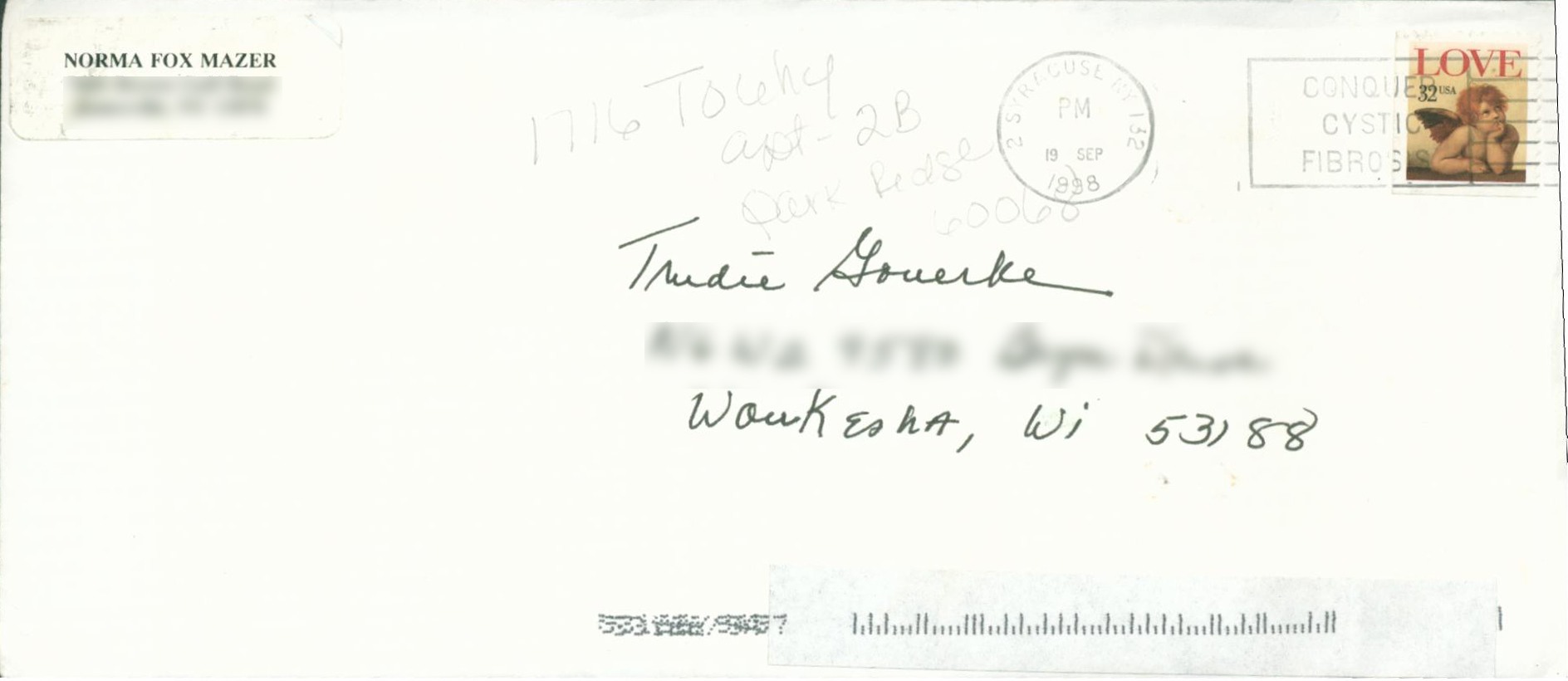
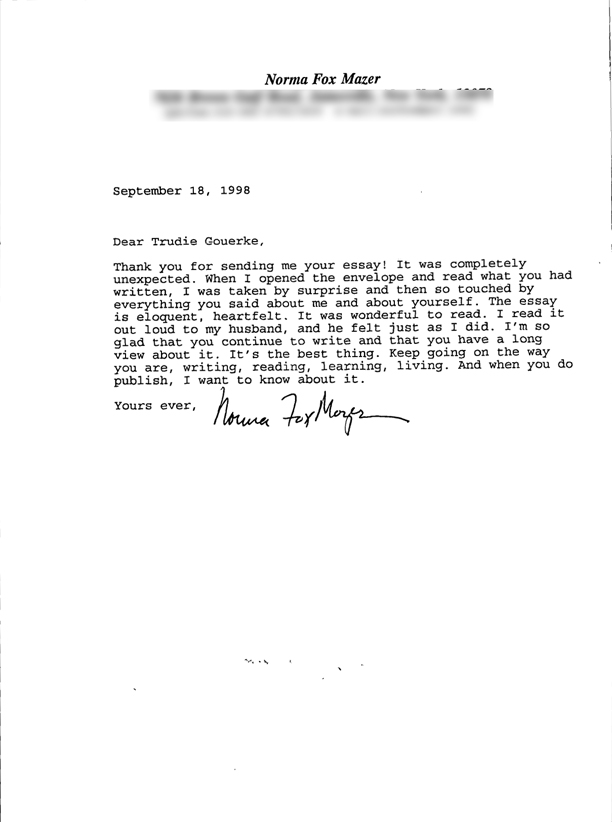
 Trudie Gauerke
You must be logged in to post a comment.